
A person who is overly sedated after taking an opioid may look like they are simply sleeping. That assumption can cost precious minutes. Knowing the opioid overdose warning signs can help you recognize a life-threatening emergency, give naloxone if it is available, and call 911 without delay.
Opioids include prescription pain medicines such as oxycodone, hydrocodone, morphine, and fentanyl, as well as illegal drugs that may contain fentanyl. An overdose happens when opioids slow breathing so much that the brain and body do not get enough oxygen. It can happen to someone using a medication as prescribed, someone returning to opioids after a break, or someone taking a pill or substance with an unknown strength.
The opioid overdose warning signs to recognize
The clearest warning sign is breathing that is slow, shallow, irregular, or stopped. You may hear choking, gurgling, snoring, or rattling sounds. Snoring that cannot be interrupted or sounds unusual in a person who is hard to wake is not something to ignore. It may mean their airway is partially blocked or their breathing is failing.
Look at the person’s responsiveness. They may not wake when you call their name, rub the center of their chest firmly with your knuckles, or gently shake their shoulders. They might seem extremely limp, confused, or unable to speak clearly before becoming unresponsive.
Changes in skin and lip color are also serious. A person with lighter skin may look pale, gray, or blue around the lips and fingertips. On darker skin, check the lips, gums, tongue, and nail beds for a grayish or bluish color. Their skin may feel cold or clammy, and their pulse may be slow, weak, or difficult to find.
Very small, pinpoint pupils are commonly associated with opioid overdose. However, pupils alone do not confirm an overdose, and normal-sized pupils do not rule one out. Breathing and responsiveness matter most.
These signs can appear together, but you do not need to wait for every sign. If someone has taken, may have taken, or may have been exposed to an opioid and cannot stay awake or is breathing abnormally, treat it as an overdose.
What to do immediately
Call 911 right away. Say the person is unresponsive or having trouble breathing. You do not need to know exactly what they took before calling. Emergency responders need clear information about the person’s condition, location, and breathing.
If naloxone is available, give it as soon as possible. Naloxone temporarily reverses the effects of opioids and can restore breathing. It will not harm someone if opioids are not involved, so there is no benefit to waiting until you are completely certain. Follow the instructions that come with the nasal spray or injectable product.
After giving naloxone, place the person on their back and check for normal breathing. If they are not breathing normally, begin rescue breathing or CPR if you know how. A 911 dispatcher can guide you by phone. If the person is breathing but remains unconscious, roll them onto their side in the recovery position, with their top leg bent to help keep them from rolling onto their stomach.
Stay with them until emergency help arrives. Naloxone can wear off in 30 to 90 minutes, while some opioids remain in the body longer. A person may become sleepy again and stop breathing after seeming better. If there is no response after two to three minutes and another dose is available, give another dose of naloxone.
Do not put the person in a cold shower, try to make them walk, force food or drinks, or leave them alone to “sleep it off.” Do not delay emergency care because they wake up or say they feel fine. Overdose is a medical emergency, not a situation to manage privately.
Why overdose risk can change quickly
The same dose does not carry the same risk in every situation. Tolerance can fall quickly after detox, hospitalization, incarceration, illness, or even a short period of not using opioids. If a person returns to a previous dose, their body may no longer handle it the way it once did.
Mixing substances creates another major risk. Alcohol, benzodiazepines such as alprazolam, clonazepam, or diazepam, sleep medicines, and other sedating drugs can all further slow breathing when combined with opioids. Even medication taken for legitimate reasons can become dangerous when doses overlap, directions are unclear, or more than one prescriber is involved.
Fentanyl has made the situation more unpredictable. It may be present in counterfeit pills or other substances without the person’s knowledge. A pill that looks familiar is not proof of its contents or strength. That is why an unexpected reaction should always be taken seriously.
Keep naloxone where it can be reached
Naloxone is worth having in homes where opioids are prescribed, stored, or used. That includes a household where someone takes opioid pain medicine, has a history of opioid use, or takes opioids along with other medications that cause drowsiness. Friends and family members should know where naloxone is kept and how to use it.
Keep it in an easy-to-find location at room temperature, away from extreme heat or cold. Check the expiration date from time to time, but in a suspected overdose, use available naloxone even if it is expired rather than doing nothing. Call 911 either way.
It is also smart to talk openly with a healthcare professional or pharmacist about medication interactions, dose changes, and overdose prevention. This is especially relevant when opioid pain treatment is combined with anxiety treatment or sleep medication. Honest information helps clinicians make safer decisions, and it gives patients and families a clearer plan if an emergency occurs.
Prevention is part of responsible pain care
Use opioids only as directed by a qualified prescriber, and do not share them with anyone else. Keep medicines in their original labeled containers and store them securely, especially around children, teens, guests, or anyone who could take them accidentally. Dispose of unused medication through an approved take-back option when possible.
Pay attention to increasing sleepiness, new confusion, slowed breathing, or trouble staying alert after a dose change. Those symptoms may not always mean an overdose, but they deserve prompt medical advice. The safest response depends on the medication, dose, other substances involved, and the person’s health history.
Pain relief matters, and so does being able to use medication with a clear safety plan. Keep naloxone nearby, avoid mixing sedating substances unless a clinician specifically approves it, and act immediately when breathing or consciousness changes. When an overdose is possible, calling 911 quickly is an act of care that can save a life.
Panic Disorder Treatment That Actually Helps
Learn how panic disorder treatment can combine therapy, medication, and daily skills to reduce attacks [...]
Sep
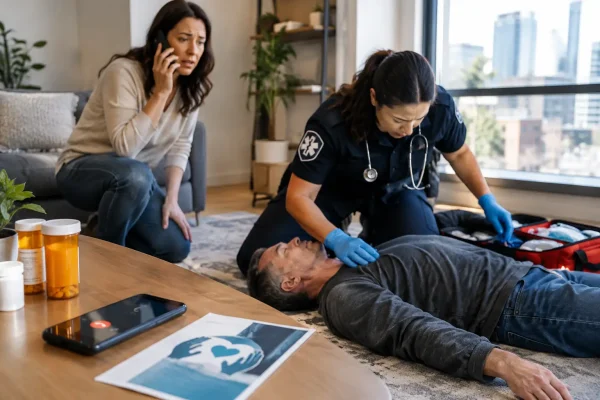
Opioid Overdose Warning Signs You Must Act On
Learn opioid overdose warning signs, what to do right away, and how naloxone and 911 [...]
Sep

Non Opioid Pain Management Options That Help
Learn how non opioid pain management can reduce discomfort through medication, movement, and clinician-guided care [...]
Sep
